

Burnout or Perimenopause?
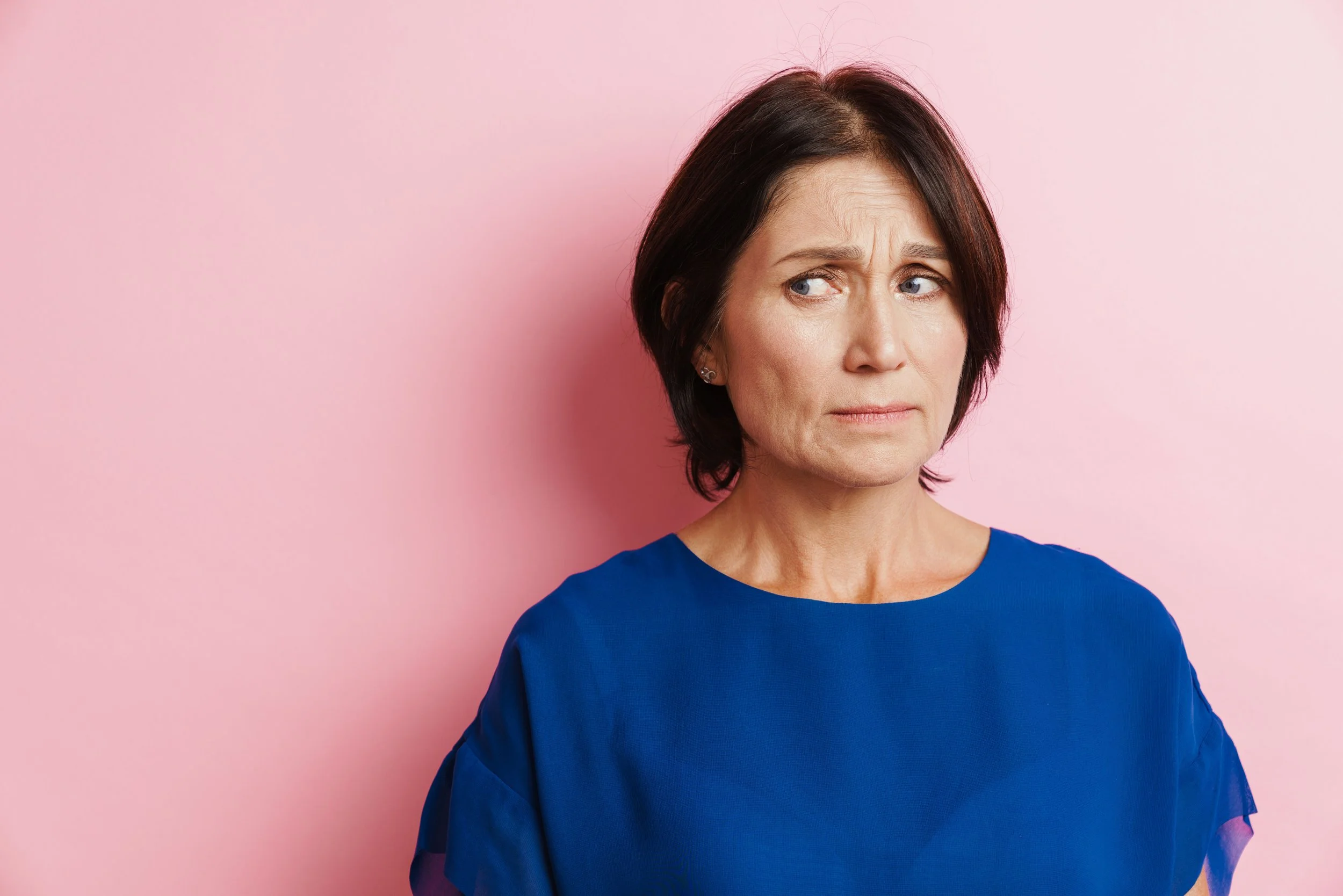
You’re exhausted. Sleep is disrupted. Your mood feels less stable than it used to. Weight is shifting in ways that don’t make sense. You feel more reactive, more wired, and yet deeply tired at the same time.
And the question quietly sits underneath it all.
Is this burnout… or is it perimenopause?
For many women over 40, this confusion is completely understandable. The symptoms of hormonal change and chronic stress overlap significantly. In fact, they often amplify each other.
Perimenopause is a gradual transition. Estrogen and progesterone begin to fluctuate, often unpredictably. Cycles may shorten or become heavier. PMS can feel more intense. Breast tenderness, migraines, night sweats, and new sleep disturbances may appear. Progesterone, which has a naturally calming effect on the nervous system, tends to decline first. As that happens, sleep can feel lighter, anxiety can increase, and resilience to stress can drop.
Burnout, on the other hand, is driven primarily by long-term nervous system strain and cortisol dysregulation. It often shows up as feeling wired but tired. You may struggle to fall asleep even though you’re exhausted. You might wake at 3am with a busy mind. Afternoon energy crashes become common. Motivation dips. Cravings for sugar or salt increase. Exercise feels harder to recover from. Everything feels slightly more overwhelming than it used to.
The problem is that perimenopause makes you more vulnerable to stress, and chronic stress makes perimenopausal symptoms worse. Lower progesterone reduces your stress buffer. Fluctuating oestrogen influences serotonin and sleep regulation. Meanwhile, sustained high cortisol can interfere with blood sugar stability, thyroid function, and fat distribution, particularly around the abdomen.
So for many women, it isn’t one or the other. It’s both.
The mistake I often see is assuming hormones alone are the issue and focusing immediately on supplements or hormone replacement without first stabilising the foundations. Or alternatively, blaming everything on stress and ignoring the hormonal shifts that are genuinely taking place.
Before adding complexity, it helps to return to the basics.
Stable blood sugar is one of the most powerful levers for both stress resilience and hormone balance. Regular meals with adequate protein can dramatically reduce anxiety, energy crashes, and cravings. Sleep needs to be protected, not sacrificed. Strength training becomes increasingly important for metabolic and hormonal health. Iron, B12, and vitamin D levels should be checked, especially if fatigue is prominent.
When these foundations are addressed, the picture often becomes clearer. Some symptoms settle. Others remain. That’s when targeted testing or a more specific hormonal strategy may be appropriate.
You don’t have to guess whether it’s burnout or perimenopause. The body leaves clues. The key is to interpret them properly rather than react with more restriction or pressure.
If you’re feeling unlike yourself, it doesn’t mean you’re failing. It means your physiology is changing, and your stress load may be higher than your system can comfortably manage.
The goal isn’t to push harder. It’s to build stability first, then adjust strategically.